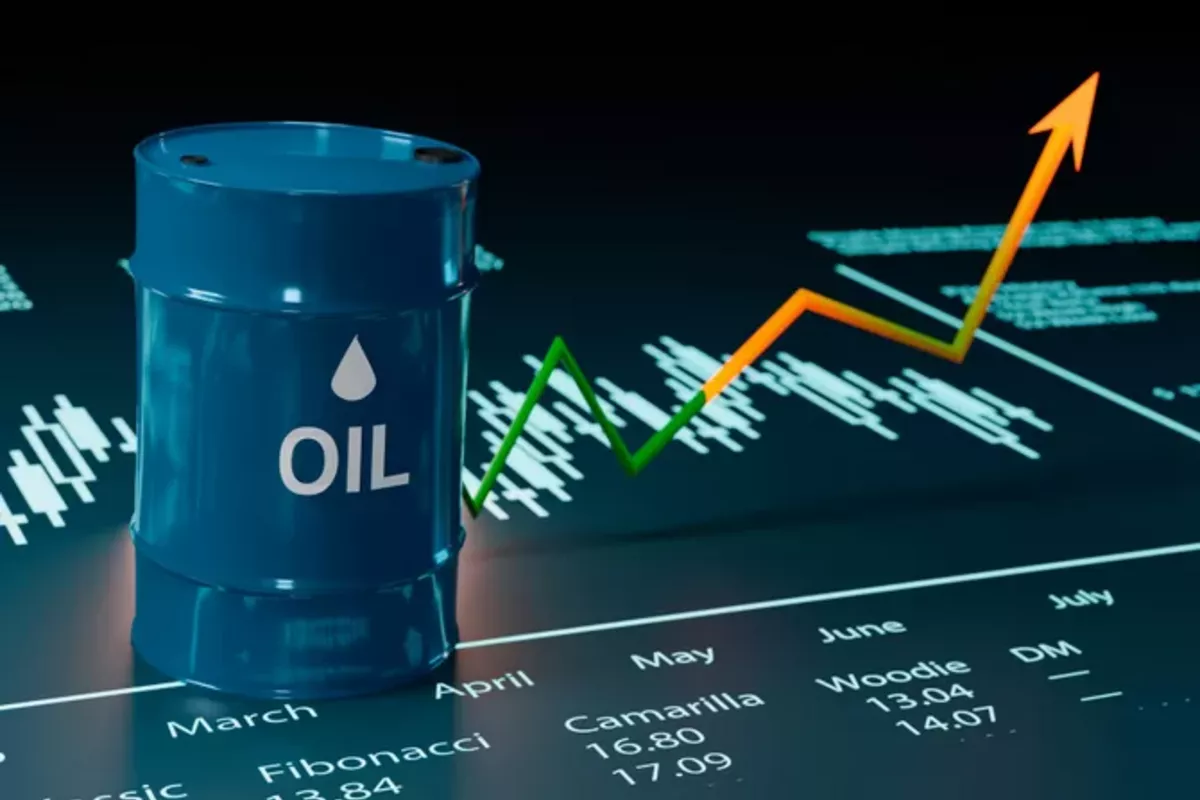
Oil is one of the most underestimated forces in global markets. Most investors watch it passively, treating it as a commodity ticker. But oil prices ripple through every corner of the economy in ways that directly impact portfolios.
The Inflation Connection
When oil prices rise, transportation costs increase across supply chains. Trucking, airlines, shipping, and logistics operators pass these higher fuel costs to businesses and consumers.
The result is broad inflationary pressure across the economy, affecting everything from groceries to retail products and industrial manufacturing.
↑ Inflation
Oil price spikes often accelerate consumer inflation
Central banks monitor these inflationary effects closely. If inflation rises too quickly, interest rates may increase to cool economic demand, pressuring equity valuations and slowing growth.
“A spike in oil prices can trigger a chain reaction that weakens entire markets.”
Currency Markets Move
Oil is globally priced in US dollars. Rising oil prices increase demand for dollars from energy-importing countries, often strengthening the US currency.
A stronger dollar can pressure emerging markets whose export revenues convert into weaker local currencies. Meanwhile, oil-exporting economies may benefit from stronger currencies during commodity upcycles.
USD ↑
Higher oil prices often strengthen the US dollar
Stock Valuations Shift
Higher oil prices compress margins for airlines, transportation companies, retailers, and other consumer-facing industries dependent on fuel-intensive operations.
Energy companies may benefit in the short term, but sudden oil shocks often create broader market uncertainty that compresses valuations across sectors.
“Investors hate uncertainty. When oil spikes unexpectedly, markets sell first and ask questions later.”
The Bottom Line
Oil prices are not simply a commodity story. They are a transmission mechanism for inflation, currency strength, central bank policy, and market sentiment.
Understanding oil market dynamics helps investors anticipate interest rate decisions, currency swings, and equity market cycles before they become consensus.
“The next time oil breaks a key level, do not ignore it. It is not noise. It is signal.”
India’s clean energy transition may ultimately depend less on solar and wind than investors expect. Nuclear energy could emerge as the backbone of the country’s long-term energy security and industrial growth strategy.